Sign Up
School Account Sign Up

Lesson ID: 13557
Cross a continent in nine hours. See how dams, locks, and smart health tactics built the Panama Canal—and test it with route math, a lock model, and real-world decisions.




Two Oceans, Nine Hours
Picture a ship longer than a city block creeping into a concrete chamber the size of three football fields.
Doors taller than a house swing shut; water surges; the ship rises as if on an invisible elevator—85 feet up—then glides across a lake that didn’t exist until humans built it.
In about nine hours, that ship will have crossed a continent.
That’s the Panama Canal: a feat of engineering, medicine, politics, and grit that rewired global trade and still shapes your world today.

The Big Idea: Shortcutting a Continent
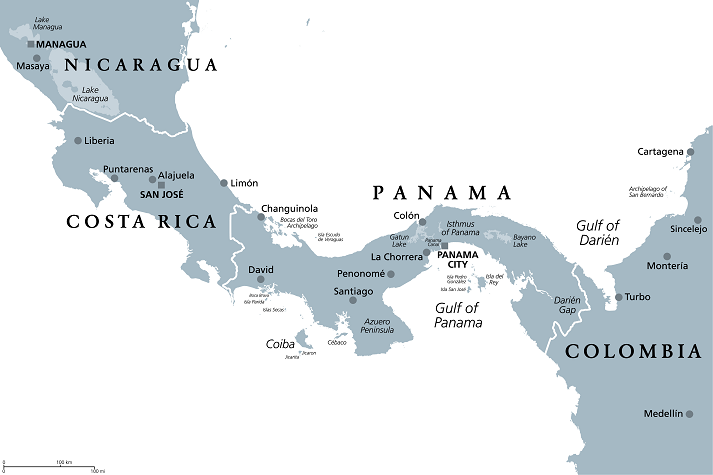
For centuries, sailors dreamed of a waterway connecting the Atlantic and Pacific.
Explorers realized the isthmus of Panama was the narrowest point, but the jungle, mountains, rain, and disease made the job look impossible with early tools. The goal was radical: slice a passage through the continental divide and link two oceans.
False Start: The French Try, the Jungle Wins
In the 1880s, Ferdinand de Lesseps—celebrated for building Egypt’s sea-level Suez Canal—tried to repeat the trick in Panama.
Wrong plan, wrong place. Suez was flat desert; Panama was unstable mountains and swamp.
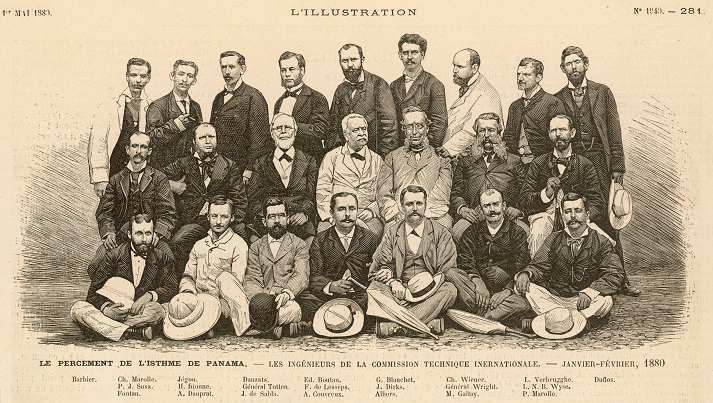
French crews, hammered by slides and tropical disease, ran out of money and time. An estimated tens of thousands died; investors were ruined; the project collapsed in 1889.
Lesson learned: a sea-level trench wouldn’t work here.
A New Playbook: Roosevelt, Revolutions, and a Lease
The United States stepped in during the early 1900s with big strategic motives: faster trade and a two-ocean navy.
Theodore Roosevelt backed Panamanian independence from Colombia and secured a long lease to build and operate a canal zone—a move still debated for its hardball geopolitics.
With U.S. control came new leadership and a different design.
Beating the Real Killer: Mosquitoes, Not Bad Air
The deadliest enemy wasn’t a mountain; it was a mosquito.
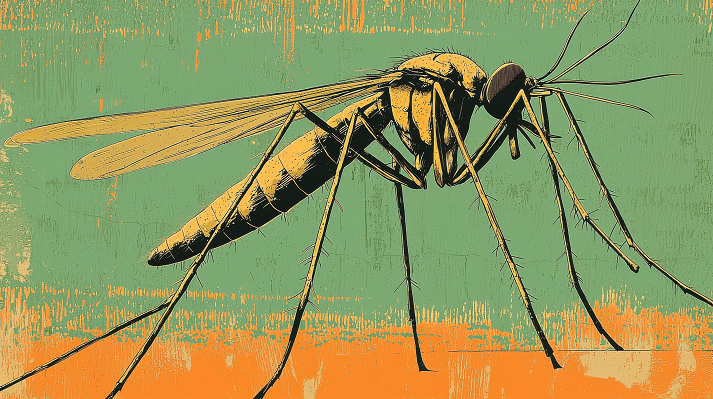
U.S. health teams led a massive sanitation campaign: draining standing water, oiling ponds, screening buildings, fumigating quarters, and prescribing quinine. Yellow fever was eliminated in the Canal Zone by late 1905, paving the way for large-scale building.
Note the context: the workforce was segregated by pay, rations, and even cups—gold for Americans and silver for most Caribbean laborers—while all faced danger.
How It Works: Dams, a Man-Made Lake, and Giant Locks
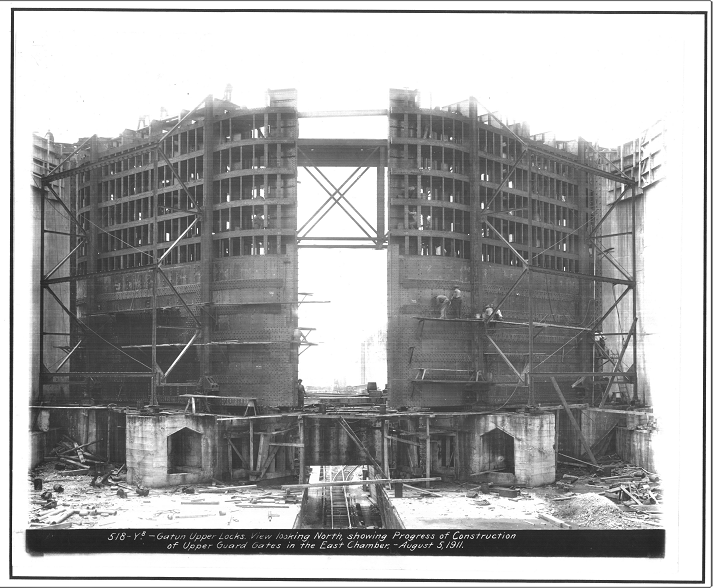
Engineers abandoned the sea-level dream. Instead, they dammed the Chagres River to create Gatun Lake—the world’s largest artificial lake at the time—and built colossal locks to lift ships up to lake level and back down.
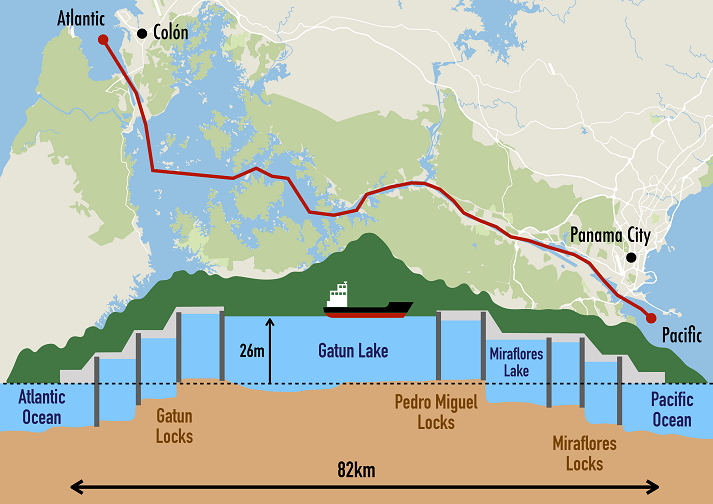
Gravity does the heavy lifting: rainfall feeds the lake, and huge culverts fill and drain the lock chambers to raise or lower vessels without the need for pumps.
The doors, though weighing hundreds of tons, are so well-balanced that modest motors can move them.
Watch the animation below to see how three lock complexes step ships up and down from sea level to the lake and back again.
Brutal Work: Blasting a Mountain Range
The Culebra (Gaillard) Cut—nine miles through the continental divide—was the deadliest stretch.
Crews ran dozens of steam shovels, detonated millions of pounds of dynamite, choreographed trains to haul spoil, and fought constant landslides and infernal heat.
Funerals were common; progress was measured in trainloads of earth. Roosevelt even visited in 1906, the first sitting U.S. president to leave the country, to rally the effort and later award service medals struck from scrap French steel.
Opening Day and Aftershocks
The canal opened in August 1914, just as World War I erupted—so the headline glory was muted—but the impact was massive: thousands of miles shaved off routes (think New York to San Francisco), cheaper ocean shipping, and a rebalancing of U.S. and global trade patterns.
Ports and industries rose with the tide of faster, cheaper movement of goods.
Power, Pride, and Protest
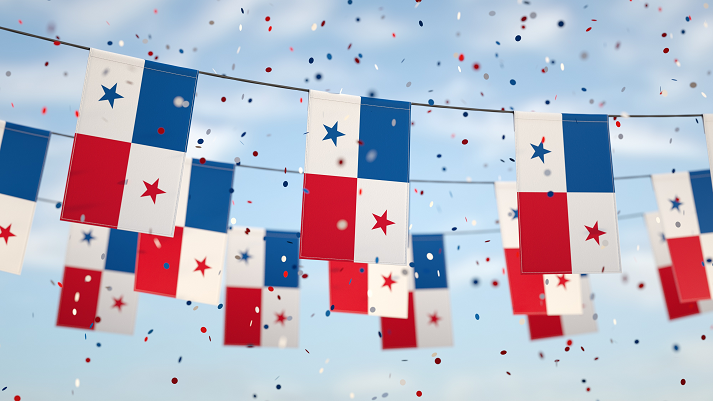
For decades, the U.S. ran the Canal Zone with strict separation from neighboring Panamanian communities, fueling resentment. Nationalist protests—most famously in 1964 over flag rights—pushed the issue.
Later treaties arranged for Panama to take full control (completed at the end of the 20th century), reframing the canal as a Panamanian asset serving the world.
The political story matters as much as the engineering: who builds, who benefits, and who decides.
Maintenance Never Ends
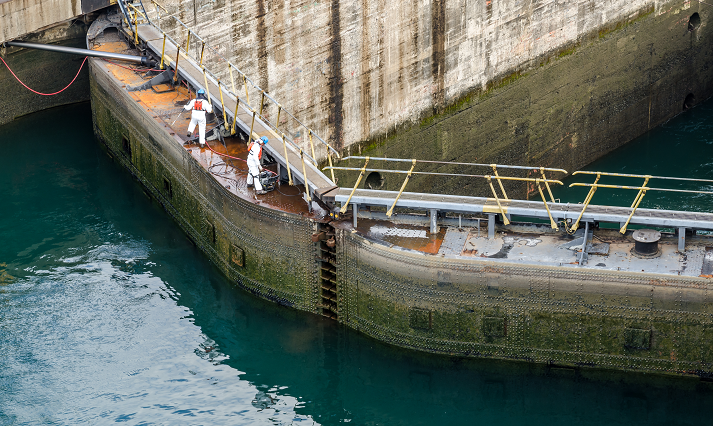
A canal is not a “build it and bounce” project. Crews constantly dredge silt, widen narrow points, maintain lock gates, and manage lake levels.
Modern “Panamax” and “post-Panamax” ships press the limits, so upgrades and careful traffic choreography keep commerce flowing while protecting the ecosystem.
Beyond Panama: Why a New Canal Was Proposed in Nicaragua
As ships continue to grow larger and global trade expands, some investors have pushed for a second trans-isthmian canal—across Nicaragua—arguing that the largest vessels still outgrow Panama’s constraints.
Critics warned of huge environmental and social costs: nearly a million acres of rainforest/wetlands threatened, risks to Lake Nicaragua (the nation’s main freshwater source), invasive species, and hurricane-belt hazards that could trigger floods and mudslides.
Analysts also flagged the lack of transparent environmental planning. In short, the more capacity dream collides with real ecological and human stakes.
Why This Still Matters to You
The canal serves as a daily reminder that technology, medicine, economics, and politics are intricately intertwined. To carve a path between oceans, people had to:
Rethink design (lake-and-locks instead of a trench).
Confront biology (defeating mosquito-borne disease).
Wield power (controversial diplomacy and control).
Sustain the system (permanent maintenance and adaptation).
Every phone, shirt, or snack that crossed a sea did so faster—and cheaper—because of choices made in Panama. That convenience carries hidden costs and responsibilities.
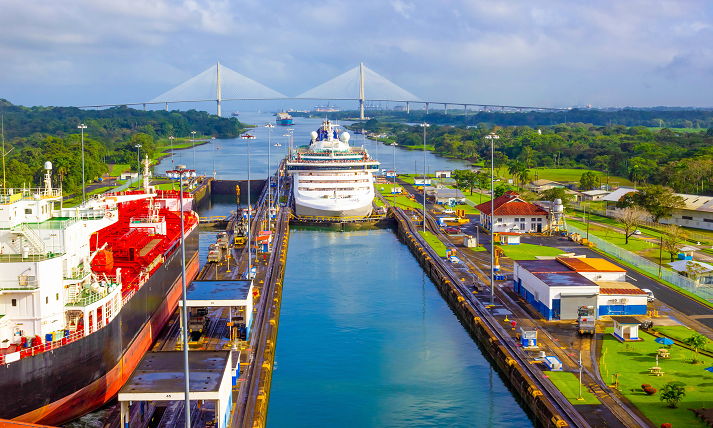
You’ve met the canal’s big ideas—design, disease control, human cost, geopolitics, and environmental trade-offs—and seen how they shape modern trade.
Move to the Got It? section to test this knowledge: analyze maps, decode how the locks work, and weigh benefits versus costs like a historian-engineer.

Supplies




 FAVORITE
 Like
Like